Every winter, I enjoy seeking out a European small town with both cultural depth and a peaceful ambiance to relax and unwind. Montpellier in the south of France is exactly that place, which I keep coming back to. Compared to the bustling summer crowds, Montpellier in winter is much quieter, with no crowded streets or long museum queues. Instead, there’s a relaxed pace of local life, which feels warm and calm. The sunlight during this season remains gentle, the temperatures are moderate, and the off-season prices for flights and hotels allow me to enjoy more of the culinary and cultural experiences during my trip.
1. Climate and Packing Tips: A Winter That Won’t Freeze You
Montpellier’s winter is not as cold as northern France. From December to February, daytime temperatures usually range from 10°C to 15°C, and nights can drop to around 5°C. Overall, it feels more like early spring, especially when the sun shines on the cobblestone streets of the old town, creating a leisurely atmosphere that makes me want to sit there all day.
However, the temperature difference between day and night can be quite large, so I recommend dressing in layers. I typically wear a light down jacket or wool coat, layered with a wool knit sweater and comfortable trousers, topped with a scarf and warm gloves.
2. Advantages of Traveling in the Off-Season: Avoid Crowds, Save on Budget
Another great advantage of visiting Montpellier in winter is the smooth transportation. Whether arriving by flight or taking local transport, there are usually no long queues or high fares.
1. Flights and Trains
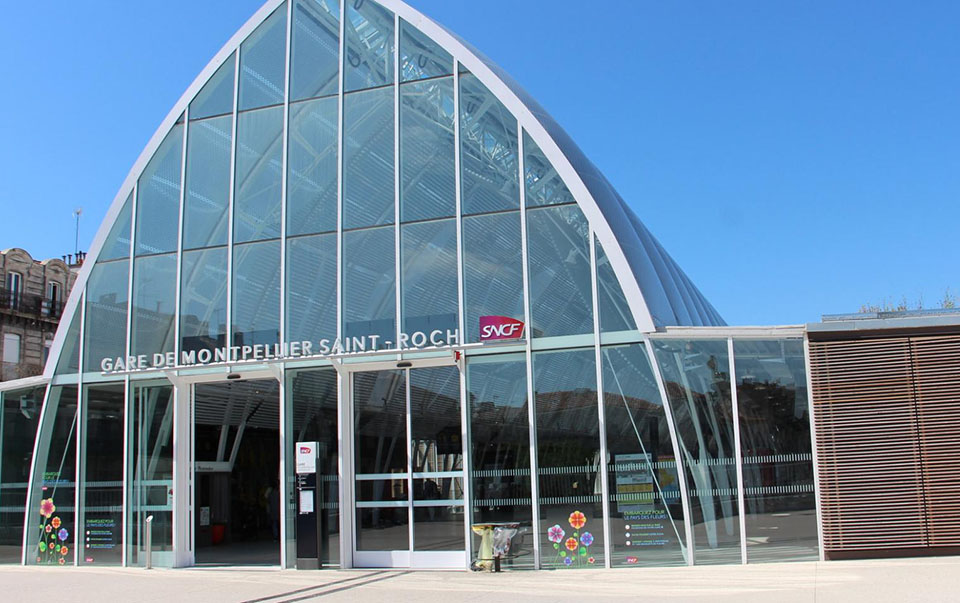
The high-speed TGV train from Paris to Montpellier takes only about 3 hours. If you’re traveling from abroad, Montpellier Méditerranée Airport (MPL) maintains a reasonable number of flights even in winter. Flights from Paris, Amsterdam, and Brussels are well connected, and tickets are often 30% cheaper than in the summer.
2. Convenient Local Transport
I particularly enjoy Montpellier’s tram system, which has four lines that cover all the key sights and neighborhoods. During the off-season, the trams are usually empty, which makes it a perfect opportunity to leisurely admire the scenery along the way. You can buy a “Day Pass” for unlimited rides, which is very economical.
3. Exploring Sights: Measuring the Peaceful Old Town with Your Feet
Montpellier without the crowds allows me to truly appreciate the city’s charm. On winter mornings, I love to stroll alone through the old town (Écusson), listening to the echo of my footsteps on the cobblestone streets and watching the medieval buildings bathe in the soft winter sunlight.
1. The Cathedral and Place de la Canourgue
The Gothic porch of the Saint-Pierre Cathedral is particularly solemn on winter mornings, and there are still a few tables outside the cafés on Place de la Canourgue. The coffee aroma mixed with the cool air is one of my favorite spots for writing travel notes.
2. Musée Fabre
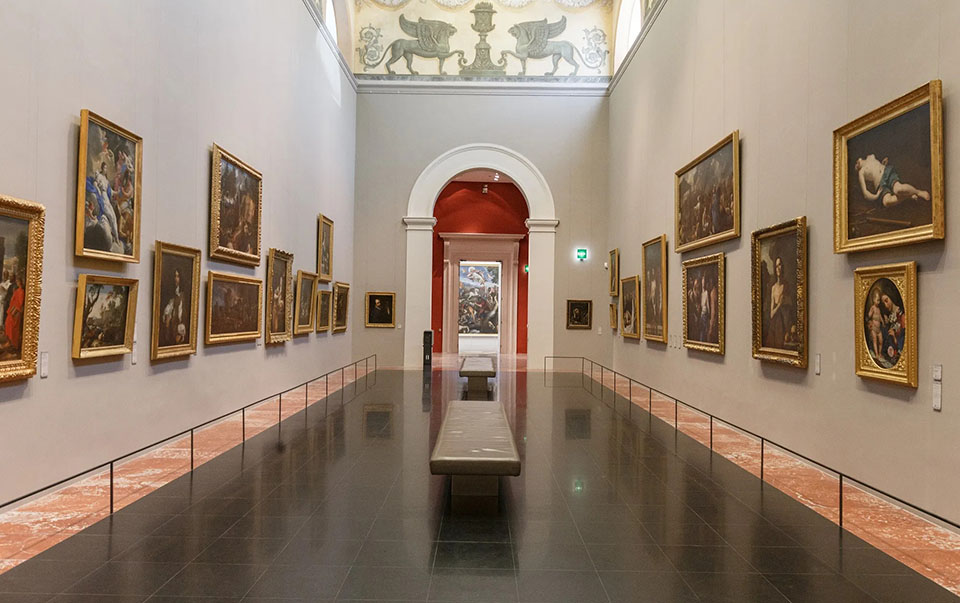
I especially recommend visiting this art museum in winter. With fewer visitors, it’s peaceful, allowing me to truly immerse myself in masterpieces by Delacroix, Courbet, and others. The 19th-century-style painting hall is so beautiful that even those who aren’t art lovers will be mesmerized by its architectural charm.
3. Jardin des Plantes
As one of the oldest botanical gardens in France, it has a different kind of beauty in winter. Although it’s not the season for blooming flowers, the bare branches and moss-covered grounds create a poetic tranquility. Occasionally, you can spot red berries amidst the greenery.
4. Winter Culinary Delights: From Comforting Soups to Red Wine
In cooler weather, it’s easier to appreciate the warmth and nourishment of southern French cuisine. Winter in Montpellier is a soul-soothing journey through the dining table, where I can savor each dish’s warmth and connection to the city’s essence without too many tourists interrupting my experience.
1. Cassoulet
This is a traditional Languedoc dish made by slow-cooking white beans, sausages, and duck legs for hours. The rich broth seeps into every bean and piece of meat, giving every bite a deep rustic flavor. Having a bowl of this dish in winter immediately chases away the chill, especially after an afternoon of cold wind. I highly recommend Le Petit Jardin, a cozy restaurant in the old town. The atmosphere is elegant, and they use locally sourced duck legs and homemade broth, which makes the taste even richer.
2. Mediterranean Seafood Soup (Soupe de poisson)
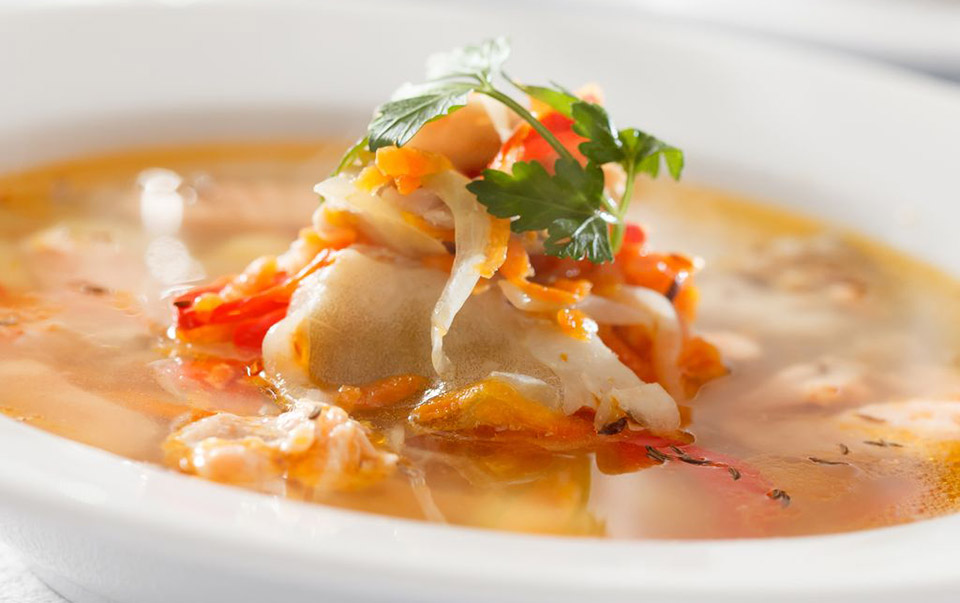
This rich seafood soup, made from local fish such as mackerel and bass, is seasoned with tomatoes and spices, served with garlic mayonnaise (rouille) and crispy toasted bread. It’s one of my favorite dishes during the winter months. La Diligence, near the Comédie Square, serves it authentically. The soup is thick and flavorful without being fishy, and it’s the perfect dish to warm up on a chilly evening.
3. Local Red Wine and Sparkling Wine
The Pic Saint-Loup region, just outside Montpellier, is one of Languedoc’s most representative wine-producing areas. The red wines from here are rich in tannins, with lingering aftertastes of wild berries, pepper, and minerals, making them a perfect pairing with winter stews, barbecues, or cheese platters. Winter is the quiet season for many wineries, and many offer wine-tasting experiences. I often visit small wineries on sunny afternoons, chatting with winemakers and tasting wines, each bottle carrying its own story.
5. Festivals and Cultural Activities: Enjoy Fun Without the Crowds
Although it’s not peak tourist season, Montpellier still offers many activities worth experiencing in winter. The city’s pace is more relaxed, with fewer crowds, yet the festive atmosphere makes it easy to blend into local life and avoid the rushed pace of tourists.
1. Christmas Market (Marché de Noël)
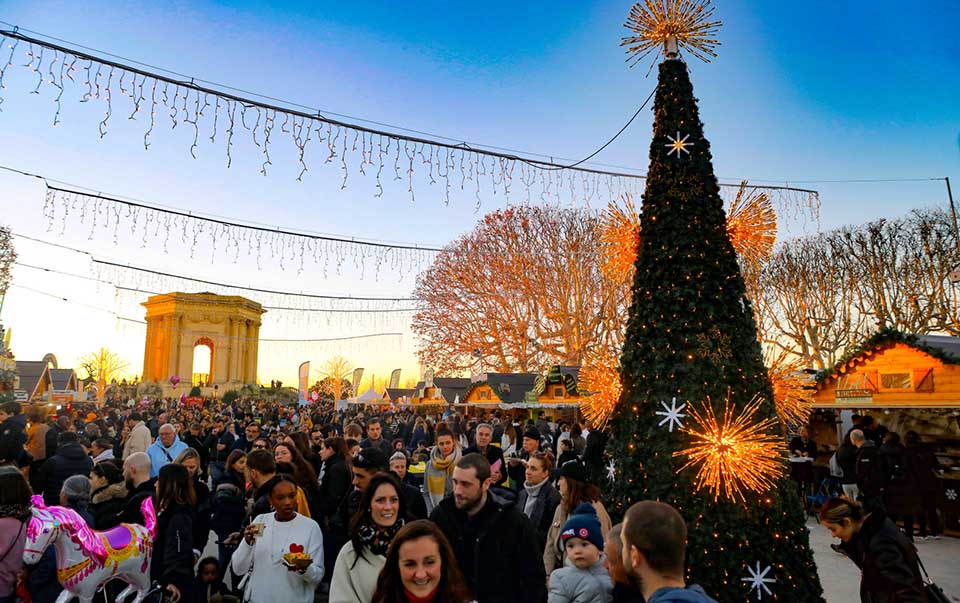
From late November to December 24th, Place de la Comédie transforms into a charming Christmas village. Wooden stalls line the square, selling hot mulled wine, handmade crafts, and Christmas sweets, all adorned with colorful lights and pine branches. The air is filled with the scent of cinnamon and roasted chestnuts. I particularly love the hot chestnuts and caramelized apples, which I buy every year. Visiting in the early morning or evening during the off-season, you can even enjoy street musicians singing Christmas carols, creating a warm and quiet atmosphere that brings back the pure excitement of the holidays.
2. New Year’s Concerts and Theatre Performances
Montpellier has many theaters and cultural spaces, such as Opéra Comédie and Le Corum concert hall, which host special performances or festive programs around the New Year. I once enjoyed a Mozart concert in January, with the hall filled with local audiences. The atmosphere was lively yet not noisy, and tickets were affordable, with seats available for around 20 euros, which is a great deal compared to large cities like Paris. It feels like joining an art gathering among friends rather than a grand event.
3. Extended Museum Hours
Many museums extend their hours on weekends during the winter, sometimes offering guided tours or special exhibitions. I once spent a rainy night at the Contemporary Art Museum, where I was almost alone in the vast exhibition hall. The quietness allowed me to hear the echo of my footsteps, and the soft lighting on the large installations and photography works created an unforgettable experience. Such “almost private” visits are something you can rarely experience during peak season.
6. Accommodation Advantages in the Off-Season: High Value and Plenty of Choices
Compared to the inflated summer prices, winter offers a more affordable stay in Montpellier, and there’s a wider selection of accommodations.
1. Boutique Hotels in the Old Town
I particularly love Maison Bayard, a boutique hotel housed in an 18th-century building in the old town. The rooms retain their original wooden beams and fireplace decorations, creating a cozy winter atmosphere. Prices are about 30% cheaper than during the high season, and they often include breakfast.
2. Eco-Friendly Bed and Breakfasts on the Suburbs
If you prefer a countryside atmosphere, the eco-friendly B&Bs on the outskirts of Montpellier are a great choice. Mas de Lafeuillade, which combines gardening and art, offers a peaceful environment with art exhibitions and French family-style dinners available for booking.
3. Short-Term Apartments
For those staying longer, Airbnb or short-term rentals offer plenty of options in winter. Units with kitchens and washing machines can be rented for around 60 euros a night, making it a perfect choice for travelers who want to experience life as a local.
7. Shopping and Slow Living: Enjoying the Quiet City Pace
Winter in Montpellier is not only great for sightseeing and food, but also perfect for slowing down and enjoying a “live-in-the-moment” rhythm.
I love flipping through French picture books in the independent bookstores on street corners, or picking out a handmade souvenir in a pottery shop. Rue de l’Ancien Courrier and Rue Saint-Guilhem are my favorite streets, lined with local designer brands and craft workshops, where the off-peak season offers a chance to have a more personal conversation with the shop owners.
In addition, the twice-weekly markets are an excellent way to experience local life. At the early market in Place des Beaux-Arts, you can find fresh vegetables, cheeses, olive oils, and baked bread. Without the crowds, you can take your time selecting, an experience that is almost a luxury in the summer.
The City’s Slow Pace: A Gentle Gift from Winter Travels
Among all the winter destinations in Europe, Montpellier always holds a special charm. It doesn’t rely on snow to win visitors, nor does it need bright lights to attract crowds. Its charm lies in the quiet, rhythmic daily life, the captivating streets, lazy afternoon sunshine, and the warmth of human connections found everywhere. Every time I leave, I feel a little reluctant. Next time you don’t want to be crowded at a ski resort or fighting through Christmas shopping mobs, consider stepping into the winter moments of Montpellier. It’s not noisy, but it’s moving; not bustling, but warm. Here, every step is worth walking slowly, and every moment can become soft.