Every time I plan a trip to the south of France, I always look forward to visiting Montpellier.Bathed in sunlight and rich in culture, this city exudes a relaxed pace that’s hard to find elsewhere. It lacks the hustle of Paris and the flamboyance of the Côte d’Azur, instead offering a gentle, intimate Mediterranean atmosphere. Narrow medieval alleys wind between open-air cafés, street art lives harmoniously with classical architecture—walking through the city always feels like discovering something new.
When booking flights, I often find myself comparing prices and times across several travel websites. From flight duration to layover efficiency, there are many factors to consider. Fortunately, after a few trips, I’ve learned that flying to Montpellier is easier than it seems. With a few route-planning tricks, you can reach this Mediterranean art city with ease—whether you’re departing from Paris, Berlin, Milan, or Amsterdam.
1. Montpellier–Méditerranée Airport Overview
Montpellier–Méditerranée Airport (IATA code: MPL) is one of the most strategically important small international airports in southern France. It is located approximately 7 kilometers east of Montpellier’s city center, a 15- to 20-minute ride by taxi or shuttle. As the main aviation hub of the Occitanie region, it serves as a gateway to many Mediterranean coastal towns.
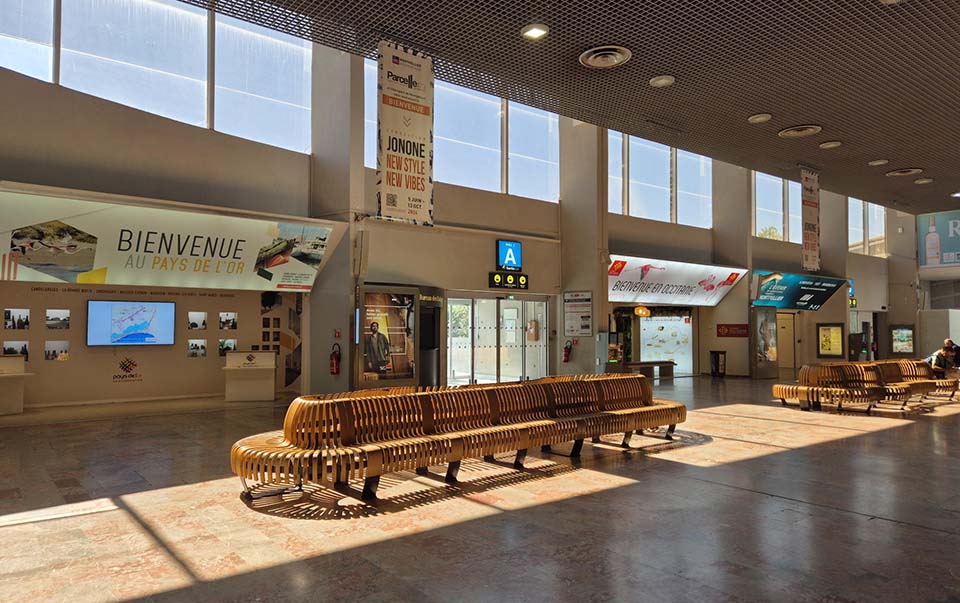
Though smaller in scale than major French airports like Paris or Lyon, its compactness is actually an advantage. Everything from immigration to baggage claim is efficient and well-organized. The airport features a fully functional main terminal with separate departure and arrival areas. Inside, you’ll find a few cafés, a small duty-free shop, multiple car rental counters, and a tourism information center. The layout is clear and practical, focusing on ease of use rather than luxury.
The terminal’s design is modern and minimalistic. All signage is bilingual (French and English), ensuring even first-time travelers can navigate with ease. Cafés are located between the arrival and departure levels, serving fresh French pastries, sandwiches, and hot drinks—perfect for a quick energy boost before boarding.
The duty-free shop, though compact, offers a curated selection of perfumes, wines, skincare products, and local snacks. Car rental desks (including Hertz, Avis, and Europcar) are conveniently grouped on the right side of the arrivals hall. The tourism information center is located near the main exit and offers multilingual assistance, city maps, and brochures.
Additional amenities include USB charging stations and comfortable seating in the waiting areas, making layovers more enjoyable.
My personal favorite feature of this airport is its efficiency. I’m usually out of the terminal and in a taxi or shuttle heading toward the old town in less than 30 minutes—no long queues or stressful delays.
While many small European airports are notorious for slow customs or baggage handling, Montpellier is refreshingly smooth. Deplaning, immigration, and baggage claim typically take under 20 minutes—sometimes even less if you’re traveling with hand luggage only.
The shuttle bus stop is just steps from the terminal exit, and taxis are usually lined up and ready. Even in peak summer, queues move quickly. Within 15 minutes, I’m often walking down Place de la Comédie, surrounded by medieval streets and golden Mediterranean light.
2. Popular Flight Routes from Major European Cities
I’ve flown to Montpellier from several cities. Here are the most efficient routes and their advantages:
1. From Paris
This is the most common and convenient route, especially for international travelers.
- Airlines: Air France offers multiple daily flights from Charles de Gaulle (CDG) and Orly (ORY).
- Flight Duration: Approximately 1 hour and 15 minutes.
- Advantages: High frequency, flexible timings, seamless connections.
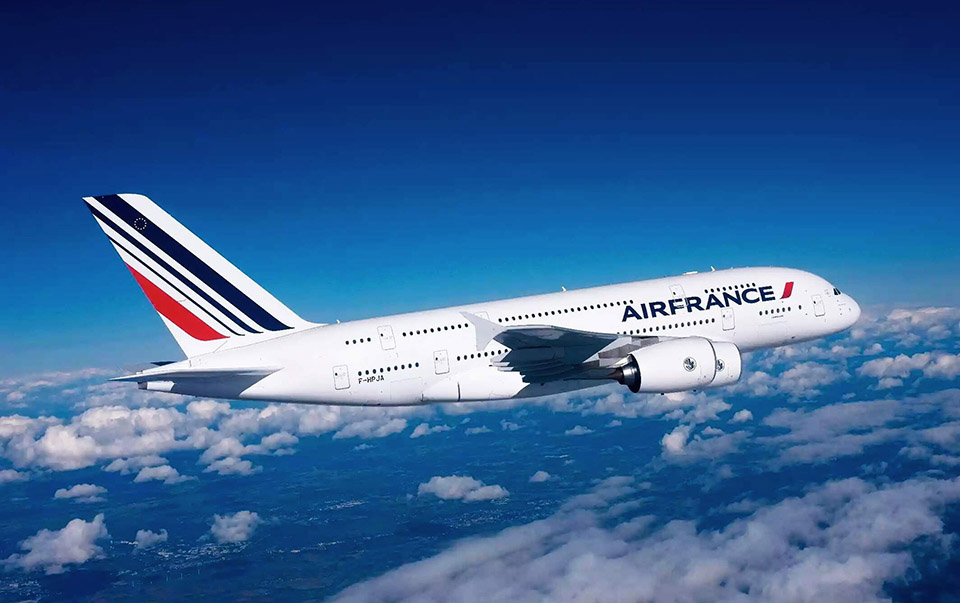
If you’re arriving in Paris from Asia or North America, you can book connecting flights with Air France and check your baggage through to Montpellier—hassle-free.
2. From Amsterdam
KLM Royal Dutch Airlines operates direct flights from Schiphol Airport.
- Airline: KLM
- Flight Duration: Around 1 hour and 50 minutes.
- Advantages: High-quality service, ideal for travelers from Northern or Central Europe.
I once flew from Copenhagen to Amsterdam, then onto Montpellier with KLM. Everything was perfectly coordinated, and I was strolling through the old town by late afternoon.
3. From Berlin
There are no direct flights from Berlin, but connecting is simple.
- Recommended Transfers: Via Paris or Amsterdam.
- Total Travel Time: About 4.5 to 6 hours, depending on layover length.
- Airlines: Air France, KLM, Lufthansa.
Air France’s through-ticketing is especially convenient—one booking from Berlin to Montpellier via Paris with checked luggage transferred directly.
4. From Milan or Rome
There are few direct flights from Italy, but multi-modal travel is a great option.
- Suggested Plan: Fly to Nice or Lyon, then take the TGV high-speed train.
- Combined Travel Time: Approximately 5 to 6 hours.
I personally recommend flying into Nice and taking a scenic train ride to Montpellier—perfect for travelers who enjoy slower, picturesque journeys.
5. From Marseille or Toulouse
These cities are close to Montpellier but have limited direct flights.
- Best Option: TGV train service (1 to 2 hours).
- Advantages: Frequent departures, central stations—ideal for regional touring.
3. Low-Cost Carriers: Travel Smart, Avoid Hidden Fees
If you’re on a tight budget, low-cost airlines like Ryanair, easyJet, and Volotea are worth considering.
- Ryanair offers direct flights from Brussels and London Stansted.
- easyJet adds seasonal routes from Geneva and Basel during summer.
Tips to Avoid Extra Charges:
- Budget fares are cheap, but extras like luggage, seat selection, and priority boarding can quickly add up.
- Print your boarding pass or use the mobile app in advance to avoid hefty airport fees.
- Budget carriers often use remote gates—allow extra time to reach them.
I once took a Ryanair flight from Brussels. Although the ticket was cheap, I was charged for boarding pass printing at the airport—a lesson I won’t forget.
4. Getting from the Airport to the City
1. Taxi
- Cost: €25–35
- Time: 15–20 minutes
- Best For: Travelers with luggage or on tight schedules
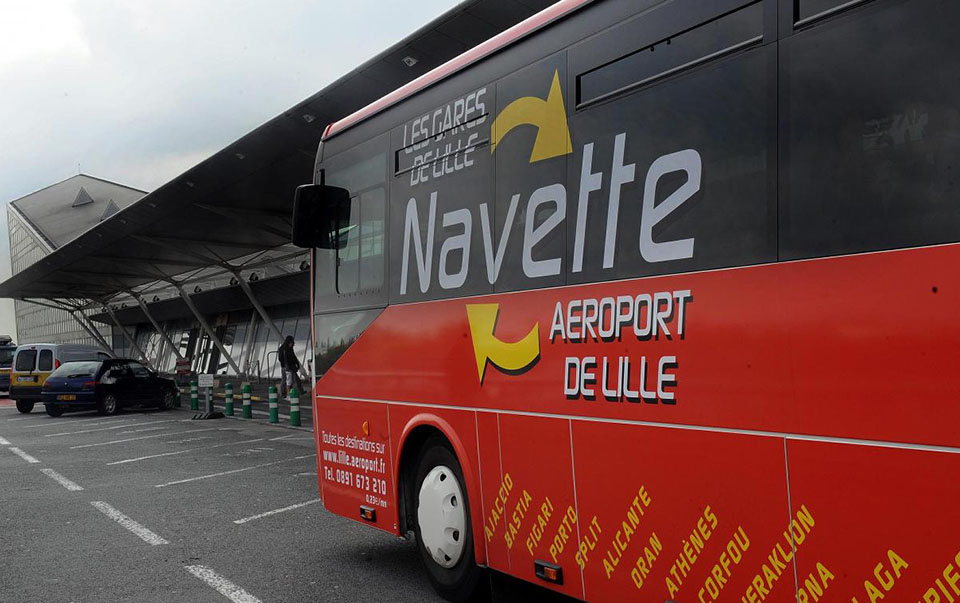
2. Shuttle Bus (Navette Aéroport)
- Route: Airport – Place de l’Europe
- Fare: Around €1.60; discounts available with local transport cards
- Frequency: Every 15–30 minutes
3. Electric Scooters & Shared Bikes
Dott and VOI operate near the airport. Ideal for light packers wanting an eco-friendly city entrance.
4. Car Rental
- Companies like Avis, Hertz, and Sixt have counters onsite.
- Perfect for exploring the Occitanie region by car.
- I once drove along the coast from Montpellier, stopping in charming villages like Pézenas and Bouzigues—each offering a taste of tranquil, rural France.
5. Best Booking Time and Fare Trends
1. When to Book
- Best prices are usually found 6 to 8 weeks in advance.
- Peak periods: December (around Christmas) and July–August.
- Spring (April) and autumn (October) offer the best price-to-weather balance.
2. Tools to Compare Prices
- I use Skyscanner, Google Flights, and Kayak for comparisons.
- Set price alerts to monitor fare drops.
- Be mindful of differences in airport codes (e.g., CDG vs ORY in Paris) and how departure times affect pricing.
6. Practical Travel Tips for a Smooth Journey
- Download your airline’s app for boarding passes, real-time updates, and gate changes.
Most major airlines have user-friendly apps that allow you to check in online, access mobile boarding passes, and receive push notifications for any changes to your flight. This can save time at the airport and help you stay informed about delays, gate changes, or baggage claims without needing to constantly check monitors. - Double-check whether your transfer requires new security checks or baggage recheck.
If you are flying into France or another Schengen country and transferring to Montpellier, be sure to confirm whether your connecting airport requires going through passport control, rechecking luggage, or passing security again. This is especially important when traveling with separate tickets or using budget carriers that don’t offer baggage transfers. - Montpellier Airport is efficient, but allow extra time during the summer rush.
Although Montpellier–Méditerranée Airport is known for its quick processing and manageable size, passenger traffic increases significantly in July and August. During these peak months, queues at check-in counters and security can be longer than usual, so plan to arrive at least two hours in advance to avoid stress. - If delays occur due to weather, head to the information desk—most airlines provide rebooking or compensation for meals and lodging.
Sudden weather disruptions can affect flights across Europe, especially during the winter or stormy periods. In such cases, your first stop should be the airline or airport information counter. Airlines such as Air France or KLM typically offer vouchers for food or accommodation and will help you reschedule your flight at no extra cost if eligible.
7. Alternative Arrival Options: Trains and Buses
If flying isn’t your preference, trains and long-distance buses are also great alternatives.
- TGV high-speed trains from Paris reach Montpellier Saint-Roch in under 3 hours.
- Budget-friendly coaches like Flixbus or BlaBlaCar Bus offer lower fares, albeit longer travel times.
I once took Flixbus from Barcelona to Montpellier—around 4 hours through scenic Catalonia and Languedoc. Though slower than flying, the views were absolutely stunning.
Reaching Montpellier is far from complicated. With the right combination of city, budget, and schedule, you’ll find it easy to plan your trip to this gem of southern France. Whether you choose direct flights, transfers, trains, or even a scenic drive, each route offers its own unique charm.
Mastering the flight booking process doesn’t just save money—it adds comfort and ease to your journey. As the plane descends into Montpellier–Méditerranée Airport, I always find myself gazing at the shimmering coastline outside the window. This city’s magic lies not only in the destination but in the journey itself.